The Benefits of Sustainable Construction Techniques in Green Building Methods
- Daniel Kaufman

- Apr 20
- 4 min read
When I first dove into the world of real estate development, I quickly realized that the future belongs to those who build smart and build green. The construction industry is evolving, and green building methods are no longer just a trend—they are a necessity. Embracing these methods means more than just ticking boxes for environmental compliance. It’s about creating spaces that are efficient, resilient, and beneficial for everyone involved—from investors to future residents.
Let’s explore why sustainable construction techniques are reshaping the landscape of real estate development and how they can unlock value for projects across the United States.
Why Green Building Methods Matter More Than Ever
Green building methods focus on reducing the environmental impact of construction while enhancing the quality of life for occupants. But why should this matter to you? Here’s the deal: buildings consume nearly 40% of global energy and contribute significantly to carbon emissions. That’s a massive footprint.
By adopting green building methods, developers can:
Cut energy costs dramatically through efficient design and renewable energy integration.
Increase property value by appealing to eco-conscious buyers and tenants.
Enhance occupant health and comfort with better air quality and natural lighting.
Reduce waste by using recycled and locally sourced materials.
Comply with stricter regulations and future-proof investments.
Imagine a building that breathes with the environment, not against it. That’s the power of sustainable construction.
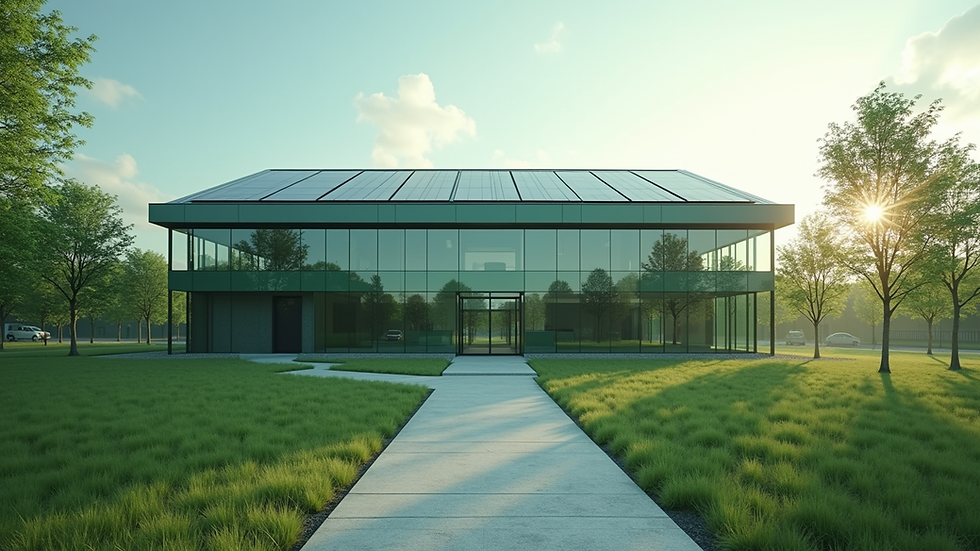
Key Green Building Methods Transforming Real Estate
Let’s break down some of the most impactful green building methods that are changing the game:
1. Energy-Efficient Design
This includes passive solar design, high-performance insulation, and energy-efficient windows. These elements reduce the need for heating and cooling, slashing utility bills.
2. Renewable Energy Integration
Solar panels, wind turbines, and geothermal systems are becoming standard features. They provide clean energy and reduce reliance on fossil fuels.
3. Water Conservation Systems
Rainwater harvesting, low-flow fixtures, and greywater recycling help conserve water—a precious resource in many parts of the US.
4. Sustainable Materials
Using recycled steel, bamboo, reclaimed wood, and low-VOC paints minimizes environmental harm and improves indoor air quality.
5. Smart Building Technologies
Automated lighting, HVAC controls, and energy monitoring systems optimize resource use and enhance occupant comfort.
6. Waste Reduction Practices
On-site recycling and modular construction reduce construction waste and speed up project timelines.
7. Green Roofs and Landscaping
These features improve insulation, reduce stormwater runoff, and create healthier urban environments.
Each of these methods contributes to a holistic approach that benefits investors and communities alike.
What are the 7 principles of sustainability in construction?
Understanding the core principles behind sustainable construction helps clarify why these methods are so effective. Here are the seven pillars that guide sustainable building projects:
Minimize Resource Use - Use materials and energy efficiently to reduce waste.
Protect Natural Systems - Preserve ecosystems and biodiversity during construction.
Enhance Indoor Environmental Quality - Ensure healthy air, light, and acoustics inside buildings.
Promote Social Equity - Design spaces that are accessible and beneficial to all community members.
Ensure Economic Viability - Balance upfront costs with long-term savings and value.
Encourage Innovation - Adopt new technologies and methods that improve sustainability.
Plan for Resilience - Build structures that withstand climate change and natural disasters.
These principles aren’t just theoretical—they’re practical guidelines that shape every decision on a sustainable project.

How Sustainable Construction Techniques Drive Investment Value
Investors want projects that promise strong returns and reduced risks. Sustainable construction techniques deliver on both fronts. Here’s how:
Lower Operating Costs: Energy and water savings translate directly into higher net operating income.
Attracting Tenants and Buyers: Green certifications like LEED or WELL are powerful marketing tools.
Access to Incentives: Tax credits, grants, and rebates are often available for sustainable projects.
Reduced Liability: Healthier buildings mean fewer legal issues related to indoor air quality or hazardous materials.
Future-Proofing Assets: Buildings designed for sustainability are more adaptable to changing regulations and climate conditions.
By integrating these techniques, developers can create properties that stand out in a crowded market and appeal to a growing demographic of environmentally conscious consumers.
Practical Steps to Implement Green Building Methods Today
Ready to take action? Here are some practical recommendations for incorporating green building methods into your next project:
Conduct a Sustainability Assessment: Evaluate your site and project goals to identify opportunities.
Engage Experts Early: Collaborate with architects, engineers, and sustainability consultants.
Choose Materials Wisely: Prioritize local, recycled, and low-impact materials.
Incorporate Renewable Energy: Plan for solar panels or other renewable sources from the start.
Optimize Building Orientation: Use natural light and ventilation to reduce energy needs.
Implement Smart Controls: Use technology to monitor and manage energy and water use.
Plan for Waste Management: Develop a strategy to reduce, reuse, and recycle construction debris.
Educate Stakeholders: Keep investors and community members informed about sustainability benefits.
These steps help ensure your project is not only green but also financially sound and community-focused.
Building a Better Future with Sustainable Construction
The path to sustainable real estate development is clear. By embracing sustainable construction techniques, we can create buildings that are efficient, resilient, and inspiring. These methods offer tangible benefits—from cost savings to enhanced marketability—that make them a smart choice for any project.
As someone deeply invested in shaping the future of real estate, I see sustainable construction as a powerful tool to build communities that thrive economically and environmentally. It’s not just about constructing buildings; it’s about crafting legacies that respect the planet and enrich lives.
The time to act is now. Let’s build smarter, greener, and better—for today and generations to come.


Comments