The Benefits of Green Building Methods: A Path to Smarter Real Estate Development
- Daniel Kaufman

- Feb 17
- 5 min read
When I first dove into the world of real estate development, I quickly realized that the future belongs to those who build smarter, not just bigger. Green building methods are no longer a niche trend; they are reshaping how we think about construction, investment, and community impact. These methods offer a powerful way to reduce environmental footprints while boosting long-term value. Let me walk you through why embracing these approaches is a game-changer for anyone involved in property development or investment.
Why Green Building Methods Matter More Than Ever
The construction industry is one of the largest consumers of natural resources and contributors to carbon emissions worldwide. Traditional building practices often lead to waste, inefficiency, and long-term environmental damage. Green building methods flip this script by focusing on energy efficiency, resource conservation, and healthier living environments.
Imagine a building that not only saves energy but also improves air quality, reduces water use, and lasts longer with less maintenance. That’s the promise of green building methods. They align perfectly with the growing demand for sustainable, high-tech real estate projects that appeal to modern buyers and investors alike.
By integrating these methods, developers can:
Cut operational costs through energy and water savings
Increase property value and marketability
Meet stricter environmental regulations with ease
Enhance occupant comfort and health
Build resilient communities that stand the test of time
The benefits ripple outwards, creating a win-win for investors, residents, and the planet.
Key Green Building Methods Transforming Real Estate
So, what exactly are these green building methods? They cover a broad spectrum of strategies and technologies designed to minimize environmental impact and maximize efficiency. Here are some of the most impactful:
1. Energy-Efficient Design
This includes everything from high-performance insulation and windows to smart HVAC systems and LED lighting. The goal is to reduce energy consumption without sacrificing comfort. For example, passive solar design uses building orientation and materials to naturally regulate temperature.
2. Renewable Energy Integration
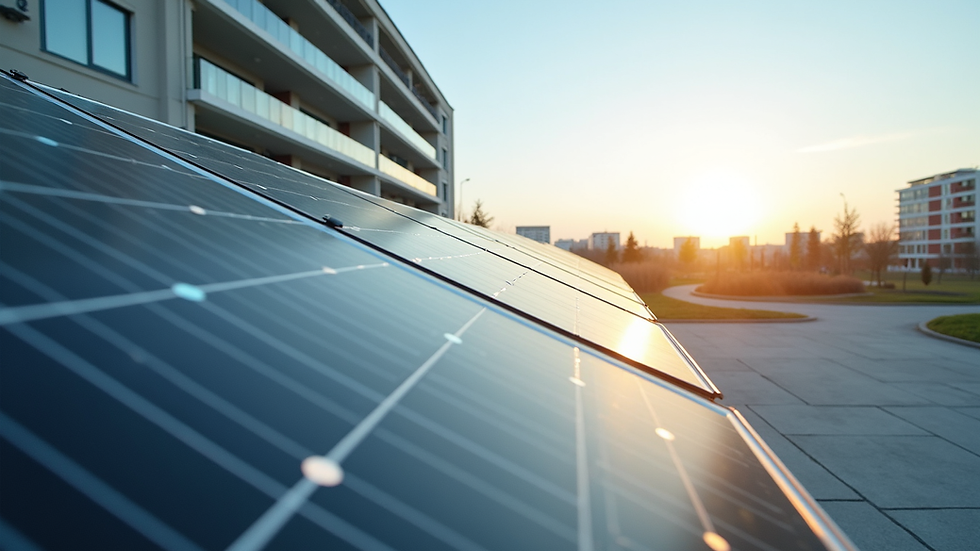
Solar panels, wind turbines, and geothermal systems are becoming standard features in sustainable developments. These renewable sources reduce reliance on fossil fuels and lower utility bills.
3. Water Conservation Techniques
Low-flow fixtures, rainwater harvesting, and greywater recycling help cut water use dramatically. These systems are especially valuable in regions facing water scarcity.
4. Sustainable Materials
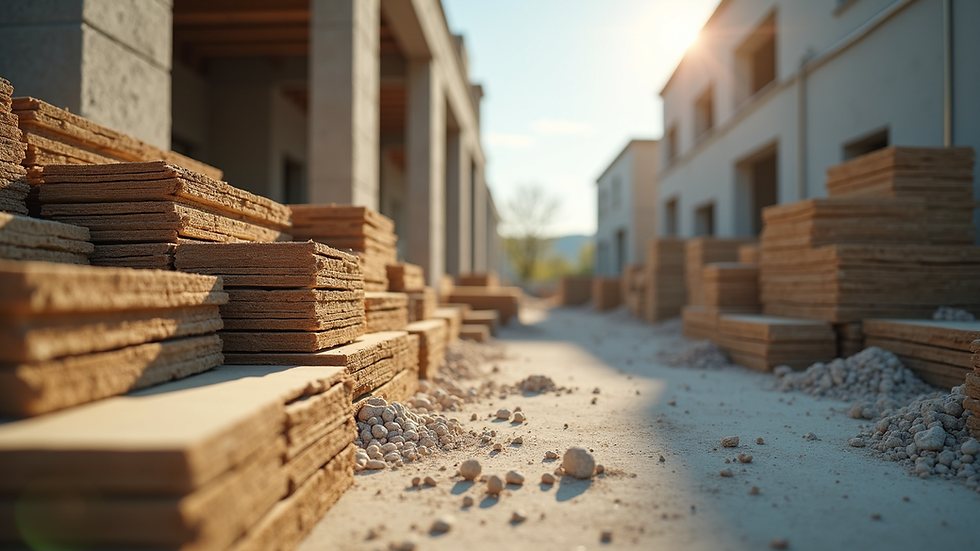
Using recycled, reclaimed, or rapidly renewable materials reduces the demand for virgin resources. Bamboo flooring, recycled steel, and low-VOC paints are popular choices.
5. Waste Reduction and Recycling
On-site waste sorting and recycling during construction minimize landfill contributions. Prefabrication and modular building techniques also reduce material waste.
6. Smart Building Technologies
Sensors and automation optimize energy and water use in real-time. Smart thermostats, lighting controls, and occupancy sensors create responsive, efficient environments.
7. Site Selection and Landscaping
Choosing locations with access to public transit and amenities reduces transportation emissions. Native landscaping lowers irrigation needs and supports local ecosystems.
By combining these methods, developers can create buildings that are not only eco-friendly but also economically savvy and attractive to tenants.
What are the 7 principles of sustainability in construction?
Understanding the core principles behind sustainable construction helps clarify why these methods work so well. Here are the seven guiding principles that shape sustainable building projects:
Minimize Resource Use
Use materials and energy efficiently to reduce waste and depletion of natural resources.
Protect Ecosystems
Avoid disrupting local habitats and promote biodiversity through thoughtful site planning.
Enhance Indoor Environmental Quality
Ensure good air quality, natural lighting, and thermal comfort for occupants.
Promote Social Equity
Design spaces that are accessible, safe, and supportive of community well-being.
Ensure Economic Viability
Balance upfront costs with long-term savings and value creation.
Encourage Innovation
Adopt new technologies and methods that improve sustainability outcomes.
Plan for Lifecycle Impact
Consider the environmental footprint from construction through operation and eventual deconstruction.
These principles act as a roadmap for developers aiming to create projects that stand out in the market and contribute positively to society.
How Sustainable Construction Techniques Boost Investment Value
Investors often ask me: "How do these green methods translate into financial returns?" The answer is clear and compelling. Sustainable construction techniques lead to buildings that cost less to operate, attract higher-quality tenants, and maintain value better over time.
Here’s how:
Lower Operating Costs: Energy-efficient systems and water-saving fixtures reduce monthly utility bills. Over a building’s lifetime, these savings add up significantly.
Increased Demand: Tenants and buyers are increasingly prioritizing sustainability. Buildings with green certifications like LEED or WELL command premium rents and prices.
Risk Mitigation: Sustainable buildings are better prepared for regulatory changes, climate impacts, and resource shortages, reducing investment risk.
Tax Incentives and Grants: Many local and federal programs offer financial incentives for green construction, improving project feasibility.
Enhanced Brand Reputation: Developers known for sustainable projects attract more investors and community support, opening doors to new opportunities.
By focusing on these techniques, developers can create a portfolio of properties that deliver strong returns while making a positive environmental impact.
Practical Steps to Implement Green Building Methods Today
If you’re ready to take the plunge into sustainable development, here are some actionable recommendations to get started:
Conduct a Sustainability Assessment
Evaluate your project’s environmental impact and identify key areas for improvement.
Engage Experts Early
Collaborate with architects, engineers, and sustainability consultants who specialize in green building.
Set Clear Goals and Metrics
Define what sustainability means for your project and how you will measure success.
Choose the Right Materials
Prioritize locally sourced, recycled, and low-impact materials.
Incorporate Renewable Energy
Assess the feasibility of solar, wind, or geothermal systems for your site.
Optimize Building Orientation and Design
Use passive design principles to reduce energy needs.
Plan for Waste Management
Implement recycling and waste reduction strategies during construction.
Leverage Technology
Integrate smart building systems to monitor and control resource use.
Educate Stakeholders
Keep investors, contractors, and future occupants informed about sustainability benefits and practices.
10. Pursue Certification
Aim for recognized green building certifications to validate your efforts and enhance market appeal.
Taking these steps can transform your project from a conventional build into a forward-thinking, sustainable asset.
Building a Legacy with Sustainable Construction
The path to sustainable real estate development is not just about meeting regulations or chasing trends. It’s about creating lasting value that benefits investors, communities, and the environment. By embracing sustainable construction techniques, we can build smarter, healthier, and more resilient spaces.
I believe that every project is an opportunity to make a difference. When we prioritize green building methods, we’re investing in a future where real estate development supports economic growth and environmental stewardship hand in hand. This approach aligns perfectly with the vision of companies like Danredev LLC, who are leading the charge in sustainable, high-tech real estate projects across the United States.
The benefits are clear, the tools are available, and the time to act is now. Let’s build a better tomorrow, one green building at a time.


Comments